Glyndwr Trail
The Glyndwr Trail is a long-distance walking route in Wales that stretches over 135 miles. It follows the footsteps of Owain Glyndwr, the last native Welshman to hold the title Prince of Wales. The trail passes through diverse landscapes, including rolling hills, forests, and quaint villages, providing hikers with a glimpse of the beauty of rural Wales.
History and significance of Glyndwr Trail
The Glyndwr Trail is not only a scenic route but also holds historical significance. It showcases the rich heritage of Wales and commemorates the rebellion led by Owain Glyndwr in the early 15th century. The trail’s name honors this Welsh hero and serves as a reminder of the country’s past struggles and triumphs.
Trail Route
Glyndwr Trail starting point and endpoints
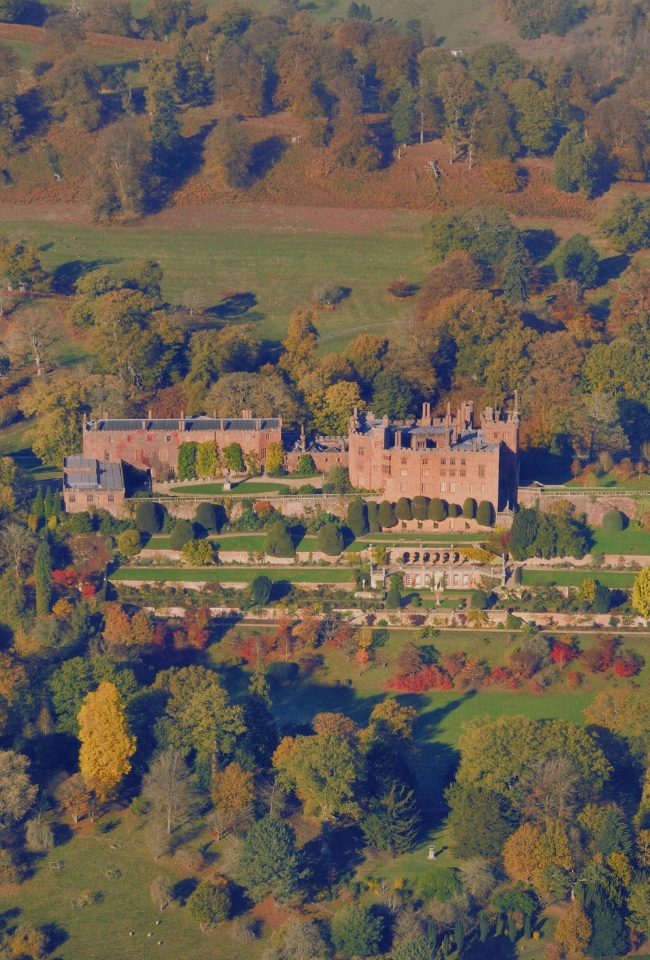
The Glyndwr Trail begins at the car park of Powis Castle in Welshpool and ends at the town of Welshpool. The 135-mile long route allows hikers to experience the scenic beauty and historical landmarks associated with Owain Glyndwr.
Sections and highlights along the Glyndwr Trail
The trail is divided into various sections, each offering unique highlights. Hikers can explore diverse landscapes, including lush forests, rolling hills, and charming villages along the route. Notable highlights include the ruins of Dolforwyn Castle, the tranquil River Severn, and the historic market town of Machynlleth. These sections provide a glimpse into the rich heritage and natural beauty of Wales as hikers follow in the footsteps of the iconic Welsh hero, Owain Glyndwr.
Planning Your Hike
Best time to hike Glyndwr Trail
When planning your hike along the Glyndwr Trail, it is essential to consider the best time to embark on this adventure. The ideal time to hike the 135-mile-long trail is during the spring and summer months when the weather is mild, and the landscapes are in full bloom. It is recommended to check the weather forecast before setting out to ensure a safe and enjoyable hiking experience.
Permits and regulations for hiking
As for permits and regulations, hikers are not required to obtain any specific permits to hike the Glyndwr Trail. However, it is crucial to follow the guidelines set by the trail authorities to preserve the natural environment and ensure the safety of all hikers. These regulations often include staying on designated paths, leaving no trace, and respecting wildlife.
Accommodations
Accommodation options along Glyndwr Trail
When hiking the Glyndwr Trail, hikers can find various accommodation options along the route. From quaint bed and breakfasts to charming guesthouses, there are choices to suit every preference and budget. Booking accommodations in advance is advisable, especially during peak hiking seasons, to secure a comfortable place to rest after a long day of exploring the trail.
Camping and lodging recommendations
For those who prefer camping, there are designated campsites available along the Glyndwr Trail. These campsites offer basic amenities and a chance to immerse oneself in the natural beauty of the surroundings. Additionally, nearby towns provide cozy lodging options for hikers seeking a more luxurious stay with access to restaurants and other conveniences.
Points of Interest
Historical sites along Glyndwr Trail
Exploring the Glyndwr Trail offers hikers a glimpse into the area’s rich history with various historical sites along the way. From ancient ruins to historic landmarks, hikers can immerse themselves in the fascinating past of the region.
Natural wonders and scenic views
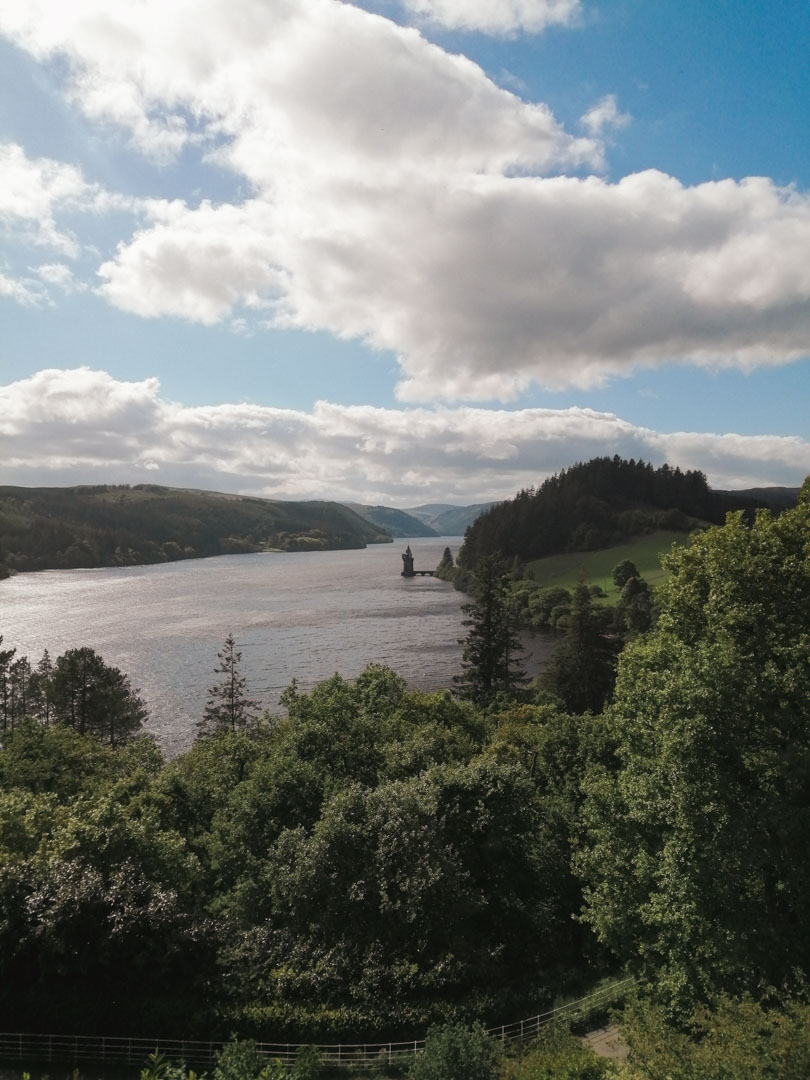
The Glyndwr Trail also showcases an array of natural wonders and breathtaking scenic views. Hikers can marvel at lush forests, cascading waterfalls, and panoramic vistas that offer a rejuvenating escape into nature’s beauty. Whether you’re a history buff or a nature enthusiast, the Glyndwr Trail has something to offer for every type of hiker.
Trail Difficulty
Terrain and elevation on Glyndwr Trail
Hikers traversing the Glyndwr Trail will encounter a mix of terrains, including gentle pathways, rocky surfaces, and undulating hills. The trail’s elevation varies, with some sections presenting challenging climbs and descents that require sturdy footwear and careful footing. Be prepared for steep inclines and uneven ground as you journey through this diverse landscape.
Fitness level required for the hike
Embarking on the Glyndwr Trail necessitates a moderate to high level of fitness due to the trail’s length and terrain. Hikers should be prepared for long distances, uphill climbs, and rugged paths that demand endurance and physical strength. It is advisable to engage in regular exercise and training to ensure you are adequately prepared for the demands of this trail.
Photography Tips
Best photo spots along Glyndwr Trail
Hikers exploring the Glyndwr Trail are presented with numerous picturesque photo opportunities. From the breathtaking views atop undulating hills to the serene beauty of gentle pathways, there are plenty of spots to capture the essence of the trail. Some recommended photo spots include the panoramic vistas at high elevations, the tranquil streams meandering through the landscape, and the rugged terrain that showcases the trail’s diversity.
Tips for capturing the essence of the trail
To capture the true essence of the Glyndwr Trail through photography, hikers should consider the lighting conditions, angles, and perspectives that best highlight the unique features of the trail. Early morning or late afternoon lighting can enhance the colors and textures of the landscape, while experimenting with different angles can provide a fresh perspective on familiar surroundings. Additionally, incorporating elements of hikers navigating the challenging terrain can add a sense of scale and adventure to the photos.